
Fighting Heatwaves and Obesity: Water Accessibility as a National Public Health Strategy in Malta
As summer approaches, warnings of heatwaves become increasingly common. As a result, hospital admissions for cases of dehydration, heat exhaustion and heat stroke are increasing every year. In fact, in July 2023, due to a heat wave and repetitive power outages, 21 heat-related deaths were recorded (Magri, 2023).
Not only is Malta subject to elevated temperatures, but Malta’s obesity rate makes the Maltese population even more vulnerable. During heatwaves, people drink more to fight the heat. But in Malta, we tend to resort to sugary drinks. In fact, research released by Eurostat (2021) shows how Malta came in second after Belgium for daily consumption of sugary non-alcoholic drinks in the European Union. This data should concern us when it is known that sugary drinks cause kidney disease, heart disease, type 2 diabetes, obesity, gout, non-alcoholic liver disease, a type of arthritis, cavities and tooth decay (Centers for Disease Control and Prevention (CDC), 2026).
In fact, Malta is known to have the highest rate of overweight and obesity among adults and adolescents in the EU. With reports from 2019 that 1/4 of adults suffer from obesity and that almost 1/3 of adolescents in Malta were overweight or obese in 2022 (OECD/European Observatory on Health Systems and Policies, 2023). As a result, we suffer greatly from other diseases that arise from obesity, such as diabetes, where in 2016 it was estimated that 10% of the population suffers from it (Ministry for Health, 2016), and circulatory problems, which is the leading cause of death in Malta.
These problems, Dehydration, high consumption of sugary drinks, obesity, etc., can be prevented with a healthier lifestyle. Although political parties are proposing ideas to address them, such as the Nationalist Party’s smartwatch grant, the National Health Village, the Labour Party’s community sports subsidiaries, school BMI screenings, and more pocket parks, there is something their proposals do not address. The lack of education on water consumption and the lack of easy and convenient access to water throughout the day. Addressing this gap offers guaranteed healthy hydration when one’s body needs it most, such as during physical exercise.
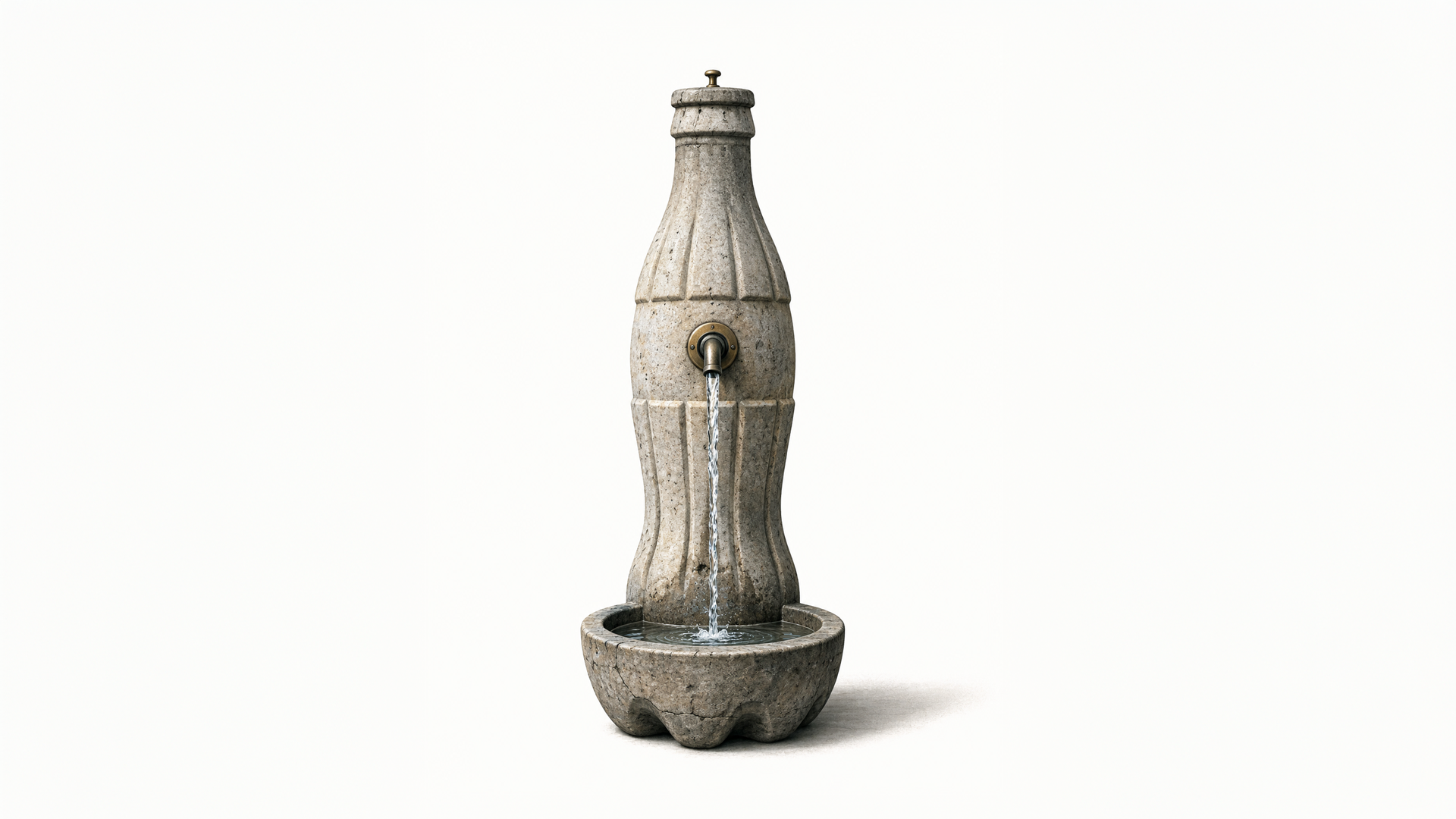
Several quick wins can be implemented to improve the situation. Drinking fountains should be installed in every locality across Malta and Gozo, with their locations made easily findable online through platforms such as Google Maps. In parallel, it should be mandatory for every school in the country to have on-site drinking water fountains in operation 24/7, not just public schools. To extend the reach of this initiative into the private sector, a tax refund scheme could be introduced for establishments that offer free filtered tap water to their customers and promotion through a sustainability consumer map to promote such services. Finally, a public educational campaign on the benefits of drinking water and the harms of sugary drink consumption would help drive lasting behavioural change.
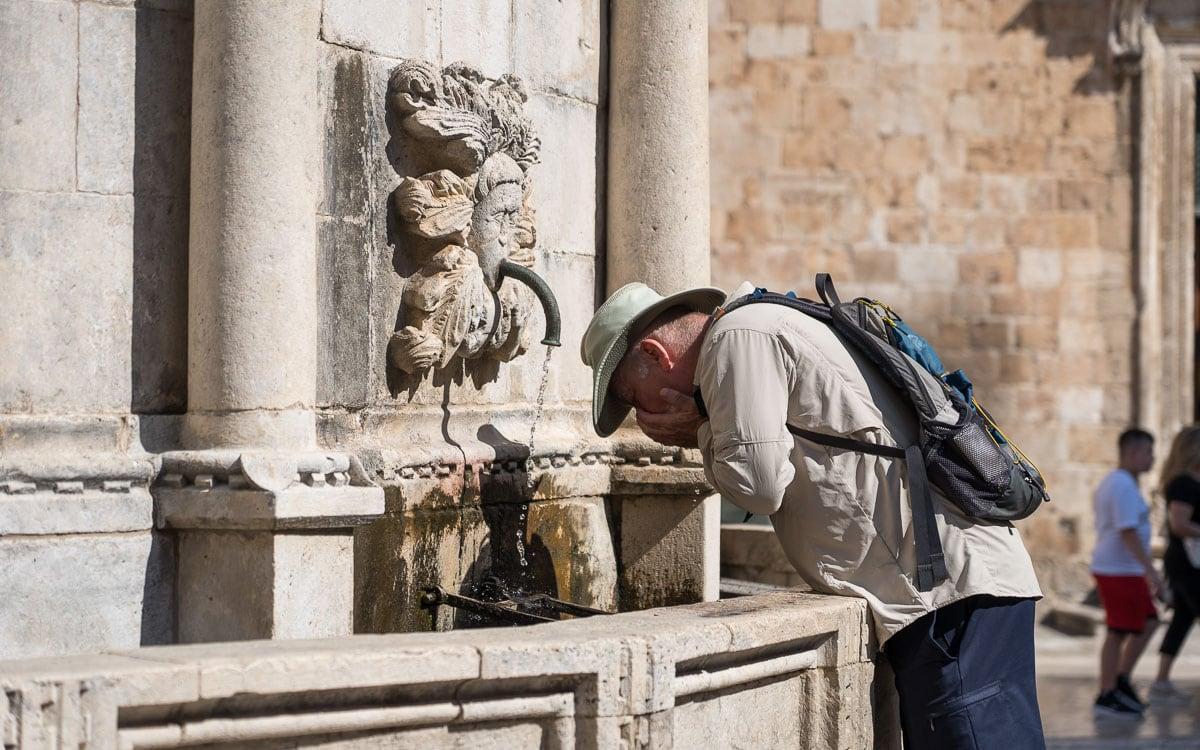
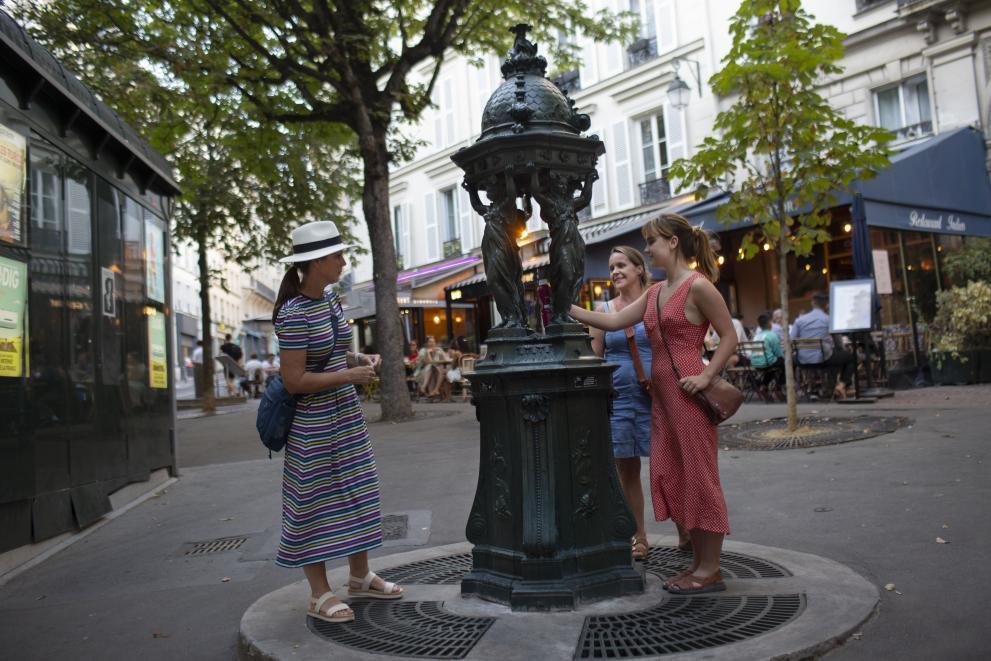
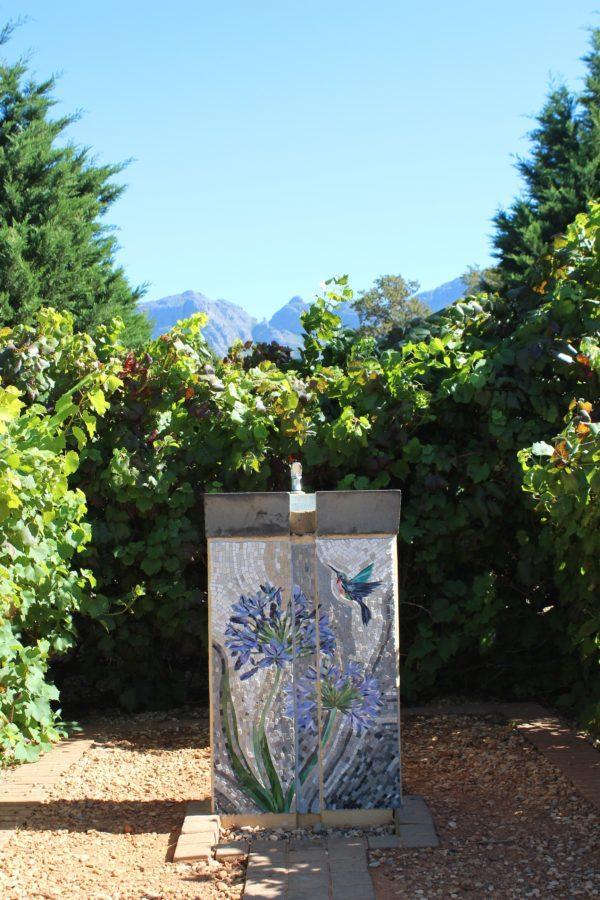
Drinking fountains should be robust and accessible to people of all ages. They should also be designed to be accessible to people with disabilities and to provide access to water for animals. They should be installed in the centre of each locality with more of them in heavily frequented areas such as Sliema and Valletta, as well as in parks around Malta. They should be well-maintained to always provide access to free water every day. Some of them can be made by local artists to serve an ornamental purpose and beautify the locality, as is the case in many countries abroad. Some examples of this are the Brunnen fountains in Zurich, the Onofrio fountains in Croatia, the Wallace fountains in Paris and the Vergelegen garden drinking fountain made by the mosaic artist Romé Zurnamer.
Better access to drinking water would take pressure off the healthcare system in several ways: fewer cases of dehydration and hyperthermia, less exposure to the microplastics and chemicals which come from plastic bottles, and a natural reduction in sugary drink consumption. When free water is readily available in public spaces and in commercial establishments, people have a genuine alternative to reaching for a soft drink, and that matters, because affordability and convenience are two of the main reasons many people choose sugary drinks in the first place, besides taste. This is particularly true for young people, men, and those on lower incomes, for whom cost is often the deciding factor (Dono, et al., 2020). Pair this with strong public awareness campaigns, and the conditions for a real shift in societal behaviour are in place.
Access to drinking water should be treated as a public health priority, particularly in a country as exposed to the effects of climate change as Malta. The evidence is clear that practical barriers, whether cost, convenience, or availability, push people toward less healthy choices. Removing those barriers through targeted interventions is not a radical proposition; it is straightforward public health policy. These proposals deserve serious consideration in future budgets, regardless of who is in government.
References
Centers for Disease Control and Prevention (CDC). (14 ta’ April 2026). Fast Facts: Sugar-Sweetened Beverage Consumption. Irkuprat minn https://www.cdc.gov/nutrition/data-statistics/sugar-sweetened-beverages-intake.html
Dono, J., Ettridge, K., Wakefield, M., Pettigrew, S., Coveney, J., & Roder, D. (2020). Nothing beats taste or convenience: a national survey of where and why. Australian and New Zealand Journal of Public Health, 44.
Eurostat. (27 ta’ July 2021). How often do you drink sugar-sweetened soft drinks? Irkuprat minn https://ec.europa.eu/eurostat/web/products-eurostat-news/-/ddn-20210727-1
Magri, G. (2 ta’ August 2023). 21 heat-related deaths reported in July. Irkuprat minn Times of Malta: https://timesofmalta.com/article/21-heatrelated-deaths-reported-july.1047211
Ministry for Health. (2016). Diabetes: A National Public Health Priority. A National Strategy for Diabetes 2016-2020. Valletta: Ministry for Health.
OECD/European Observatory on Health Systems and Policies. (2023). Malta: Country Health Profile 2023, State of Health in the EU. Brussels: OECD Publishing, Paris/European Observatory on Health Systems and Policies.
Pace, Y. (28 ta’ July 2021). Maltese With The Second-Highest Consumption Of Sugary Drinks Across The EU. Irkuprat minn Lovin Malta: https://lovinmalta.com/news/maltese-with-the-second-highest-consumption-sugary-drinks-across-the-eu/